.avif)
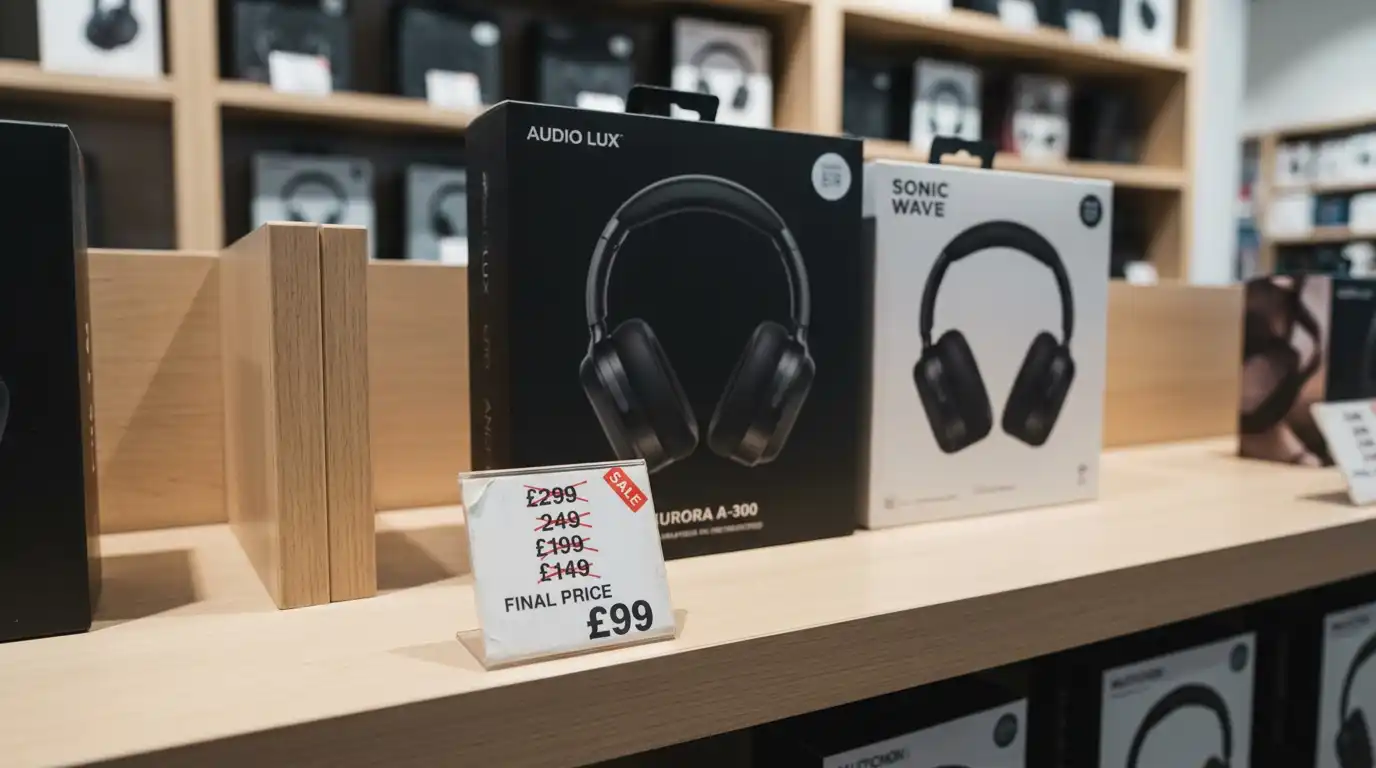
The Race to the Bottom: Why Competing on Price Is a Losing Game
Some products live or die on one question: is it cheaper than the alternative?
When the answer is yes, you have a commodity, not a product.
That's price sensitivity, it's a trap many founders walk into without realising it. It happens when a product has no identity behind it, the brand and product are saying different things, there is no emotion in the buying decision. This where good industrial design comes in, and it's why founders choose to work with a top industrial design agency rather than trying to bolt identity on afterwards.
Strip away identity and desire and you're left with pure function.
And a purely functional product gets judged on one thing: what it costs.
Here's the problem. There's always a factory somewhere that can make it cheaper than you.
The second price becomes your pitch, you end up in a race you can’t win. You end up competing on price, not on what actually makes your product yours.
And that race starts the moment a customer first decides whether your price is worth paying.
Customers do the maths whether you want them to or not
Every buyer runs a kind of mental maths before they hand over money, even when they don't realise they're doing it. They're subconsciously trying to justify the price: is this worth what's being asked for it?
When a product's value is purely functional, that mental maths is easy to make. Plastic casing, battery, circuit board, the parts add up to a number, and its usually a low one. If the sum feels reasonable, they buy. If a cheaper option offers the same sum, they buy that instead.
The product has to be worth more than the sum of its parts, and that only happens through a kind of alchemy in the design process, taking the same raw ingredients everyone else has access to and combining them into something that creates a value customers can't easily break down or justify with a calculator.
When that happens, the mental maths stops working. There's no longer a straightforward sum to compare against a cheaper alternative, because the value isn't sitting in the parts anymore.
That alchemy happens when a product stops being just a product and starts carrying a strong brand inside it.
When you get this wrong, it’s like putting one good battery next to one dud in a remote, it might still work, but you've built resistance into something that shouldn't need it. Every bit of power has to fight its way through.
That's what selling a product with no identity feels like. Marketing stops being about telling people what you've made and starts being a slog to convince them they should care at all.
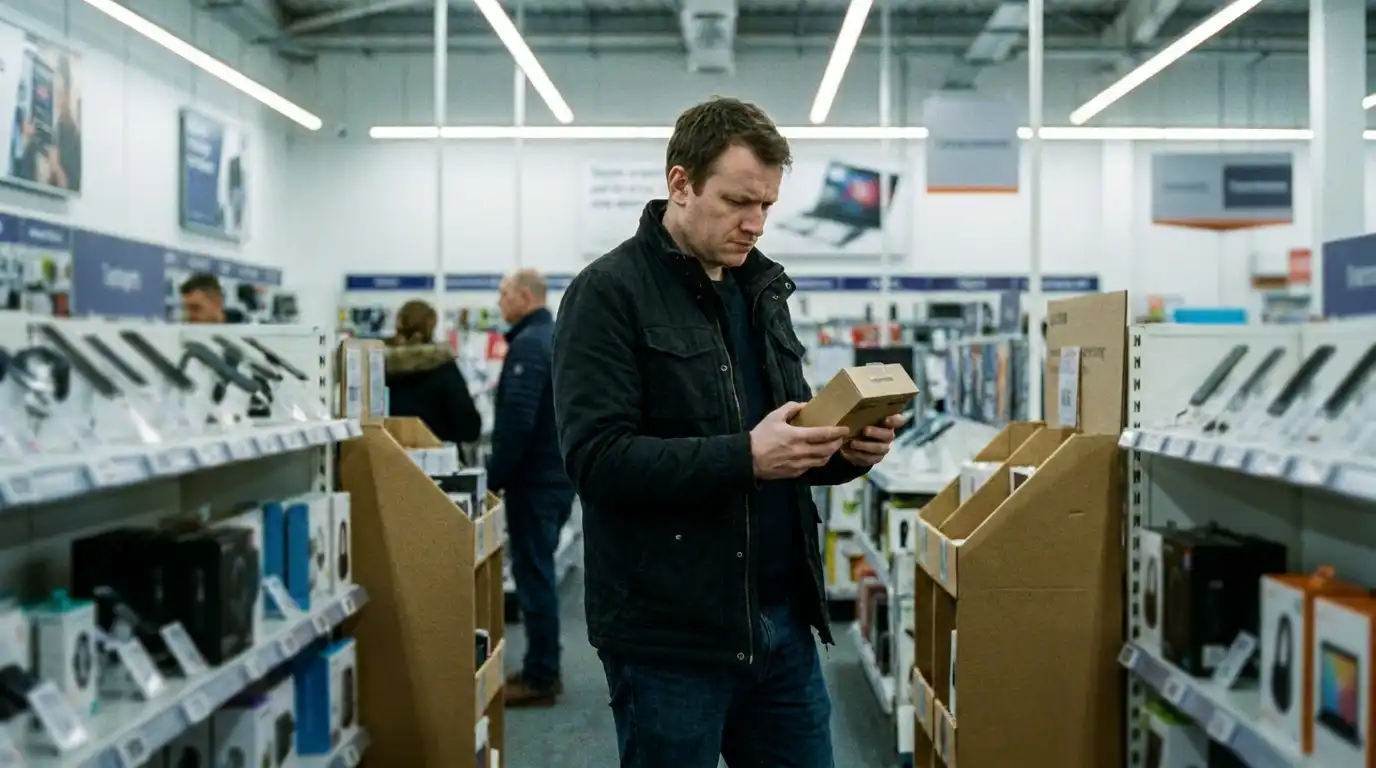
The way out: Product Brand Fusion™
At Flynn, we call the alternative Product Brand Fusion™. It's what happens when a product and its brand are so tightly welded together that you can't tell where the product ends and the brand begins.
Think of brand as a promise, and the product as the thing that has to physically deliver on it. If those two are developed separately, by separate teams, on separate timelines, and only stitched together near launch, you don't end up with one coherent story. You end up with a product on one side and a narrative trying to justify it on the other. Customers feel that gap even when they can't explain why. They hesitate. They default to comparing prices. And marketing ends up working twice as hard to close a gap that should never have existed.
Apple is the textbook case for getting this right. Nobody buys an iPhone because it's the cheapest phone on the shelf. They buy it because of what it says, how it looks, how it feels in the hand. Take the brand away and the product would feel like a different object entirely. That's the point. You can't separate the two.
Microsoft sits at the other end. Plenty of the products are technically excellent, but there's rarely much identity built into the object itself. People respect Microsoft. They don't lust after it. Respect doesn't stop a customer from shopping around. Desire does.
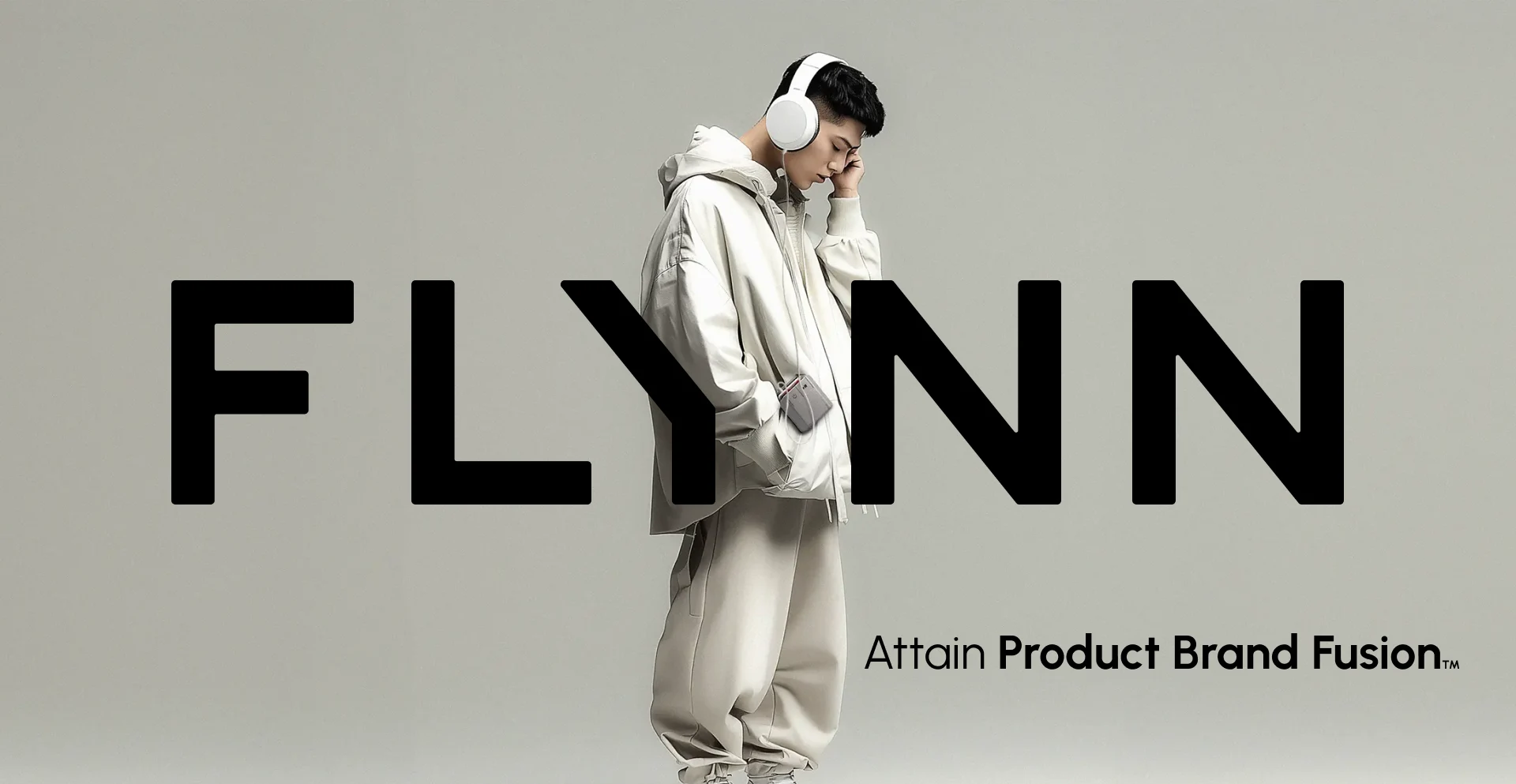
Why this changes the buying decision
Get Product Brand Fusion™ right and price stops being the deciding factor because the value isn't purely functional anymore, it's contextual, it's emotional, it means something. That's how preference gets created. That's how ownership starts to carry aspiration rather than just utility.
People aren't buying an object at that point. They're buying into an identity, a community, a story they want to be part of. And that kind of buyer sticks around. They come back. They tell other people. That's loyalty, and loyalty is something a cheaper competitor can't touch no matter how aggressive their pricing gets.
This has to be built in, not bolted on
This is where most founders trip up. Product Brand Fusion™ doesn't come from a logo refresh or a clever ad campaign once the product's already locked in. By that point, it's too late, you're trying to write a story to fit an object that was never designed to carry one.
It has to be designed in from the start, in the same conversation as the engineering. The materials chosen, the proportions, the weight of it in the hand, the sound a latch makes when it closes, the small details nobody asked for but everyone notices anyway. This is exactly why, at Flynn, we start every project with proper research into the audience, the market, and what a product needs to communicate before a single concept gets sketched. Brand and product have to grow together from that first conversation, not get stitched together at the end.
Think of it like cooking. Hand two people the same basic ingredients, flour, eggs, butter, sugar, and one of them produces something forgettable while the other produces something people talk about for weeks. Same inputs. Completely different outcome. The difference isn't the ingredients, it's the skill applied to combining them. Product Brand Fusion™ works the same way. Two founders can create the same product functionally but end up with wildly different commercial outcomes, because one of them designed for emotion and desire, and the other only designed for function.
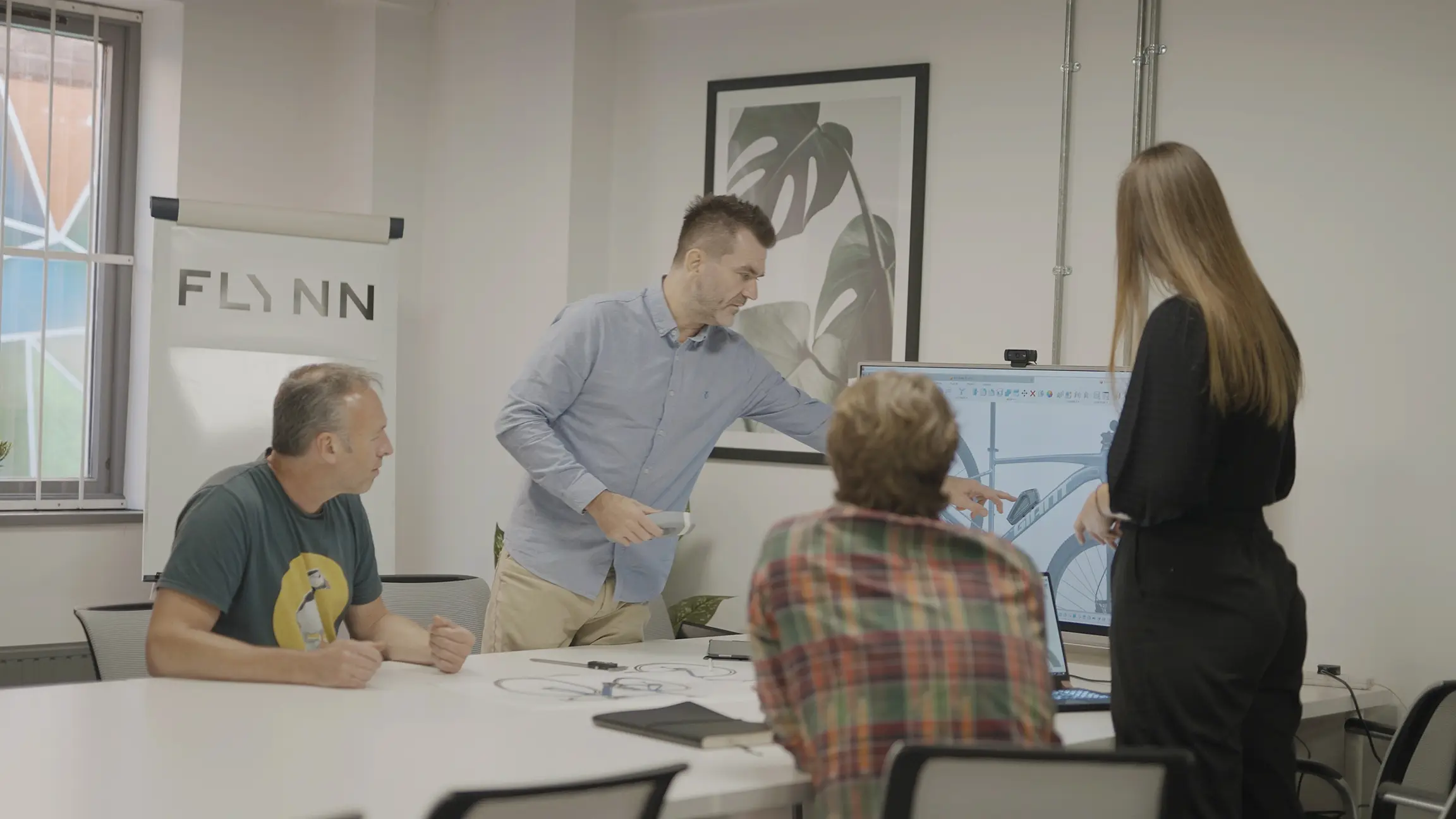
Nobody undercuts desire
Get this right, consistently, everywhere your product shows up, in the object itself and in how the brand talks about it, and you stop competing on price altogether. You start competing on desire.
And desire is the one thing a cheaper factory overseas can never replicate. They can copy your components. They can even copy your specification sheet. What they can't copy is the reason someone wanted your product in the first place.
We provide businesses with product design consultancy, industrial design, prototype design & related services.