Book a Call

Medical product design goes deeper than engineering, it’s aligning human factors, clinical reality and regulatory certainty. When these forces meet, your product becomes clearer, safer and far more commercially powerful.
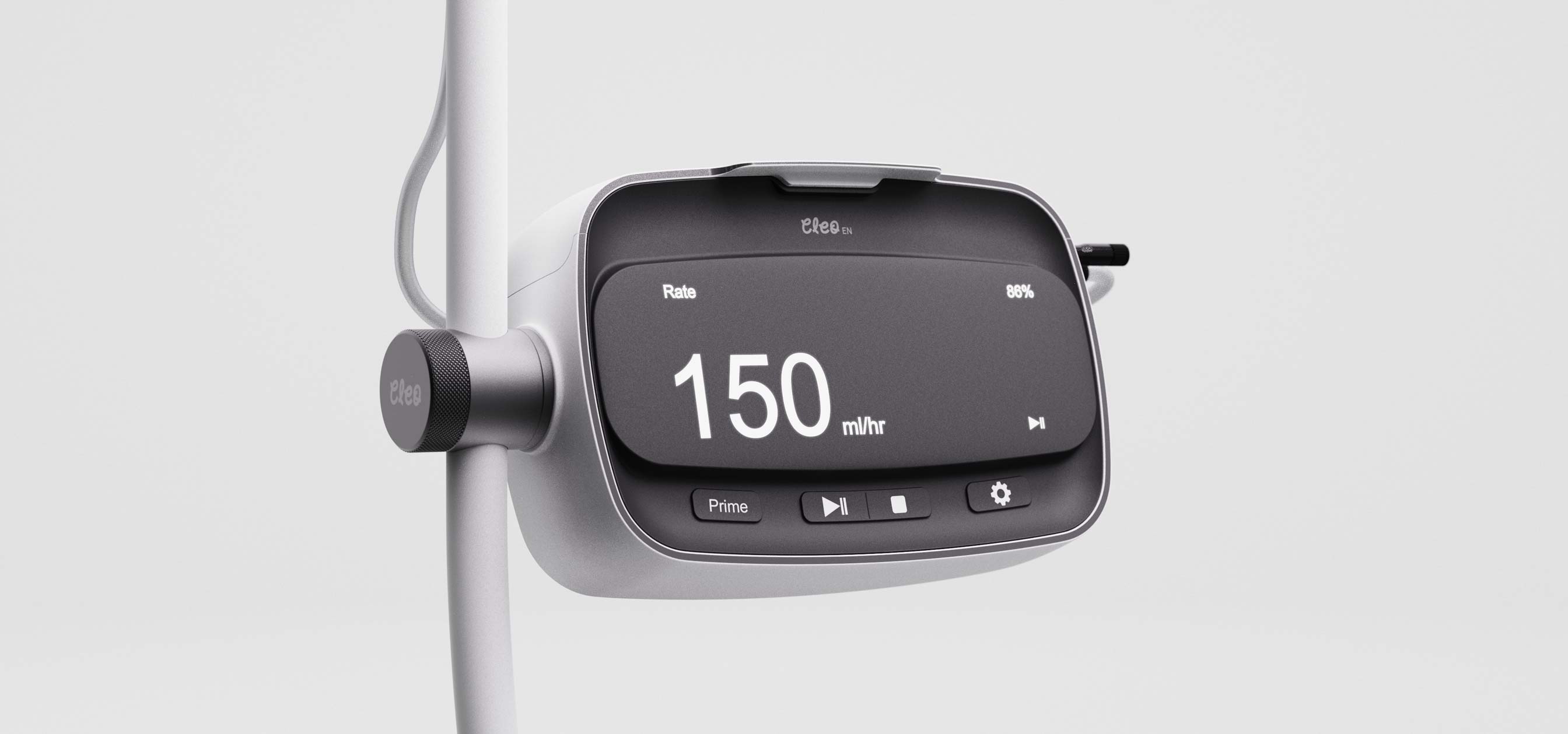
Medical devices live in a uniquely high-stakes environment. Your product must work flawlessly under pressure, in a busy hospital, a home-care setting, or a critical emergency.
Medical products are often engineered to function, but rarely designed to be lived with. They can feel cold, outdated or intimidating. We believe medical devices should feel as advanced as the care they support. Our work elevates the technical and the human together, creating products that perform beautifully and carry a modern identity users can trust and feel proud to own.

A medical device becomes part of someone’s life, someone’s routine, someone’s healing. When a product is awkward to hold, visually outdated or emotionally alienating, it adds friction to moments already under strain.
We design medical devices with a sensitivity to these moments. We study the gestures, the environment, the pressures, the fears and the small interactions that shape the experience of care.
The result is medical design that feels intuitive in the hand and unmistakably modern to the eye. It reduces stigma when used in public, calms rather than heightens anxiety and becomes something users trust instinctively because it looks like it belongs to the present, not the past.
Most medical products work, but very few feel good to own, use or live with. Too often they’re engineered to meet minimum requirements: sharp edges, beige plastics, and a visual language frozen somewhere in the 1980s.
The result? Devices that perform their task but undermine user confidence, dignity and daily experience. We believe medical products, and especially those who use them, deserve better.
We design devices that patients are proud to carry, clinicians are confident to use, and brands can stand behind. It’s not styling for styling’s sake. It’s design that reduces stigma, elevates trust, improves usability and creates a product people actually want in their lives.

Our process begins with immersion, understanding the environment, the routines, the constraints, the personalities and the emotional rhythms around the device. From there, we shape a design direction that feels contemporary and purposeful, a visual and tactile language that communicates safety and credibility without leaning on the familiar clichés of medical austerity.
Through hands-on evaluation, we refine ergonomics, adjust details, explore materials and build the emotional tone of the device as thoughtfully as its mechanical behaviour. And when production becomes the focus, we guide material choices, finishes and manufacturing methods that carry the design faithfully into the real world.

Regulatory requirements shape how medical products are designed, built and brought to market. We integrate that thinking from the start, making sure every design decision supports the pathway to approval rather than working against it.
Our process translates regulatory expectations into clear, practical design direction shaping forms, interactions and mechanisms that naturally reduce risk and support safe, consistent use. As the product evolves, we stay closely connected to regulatory specialists and clinical advisors so the design remains aligned with testing, documentation and manufacturing needs.
The result is a device that not only performs well, but moves through verification and approval with greater clarity and confidence.

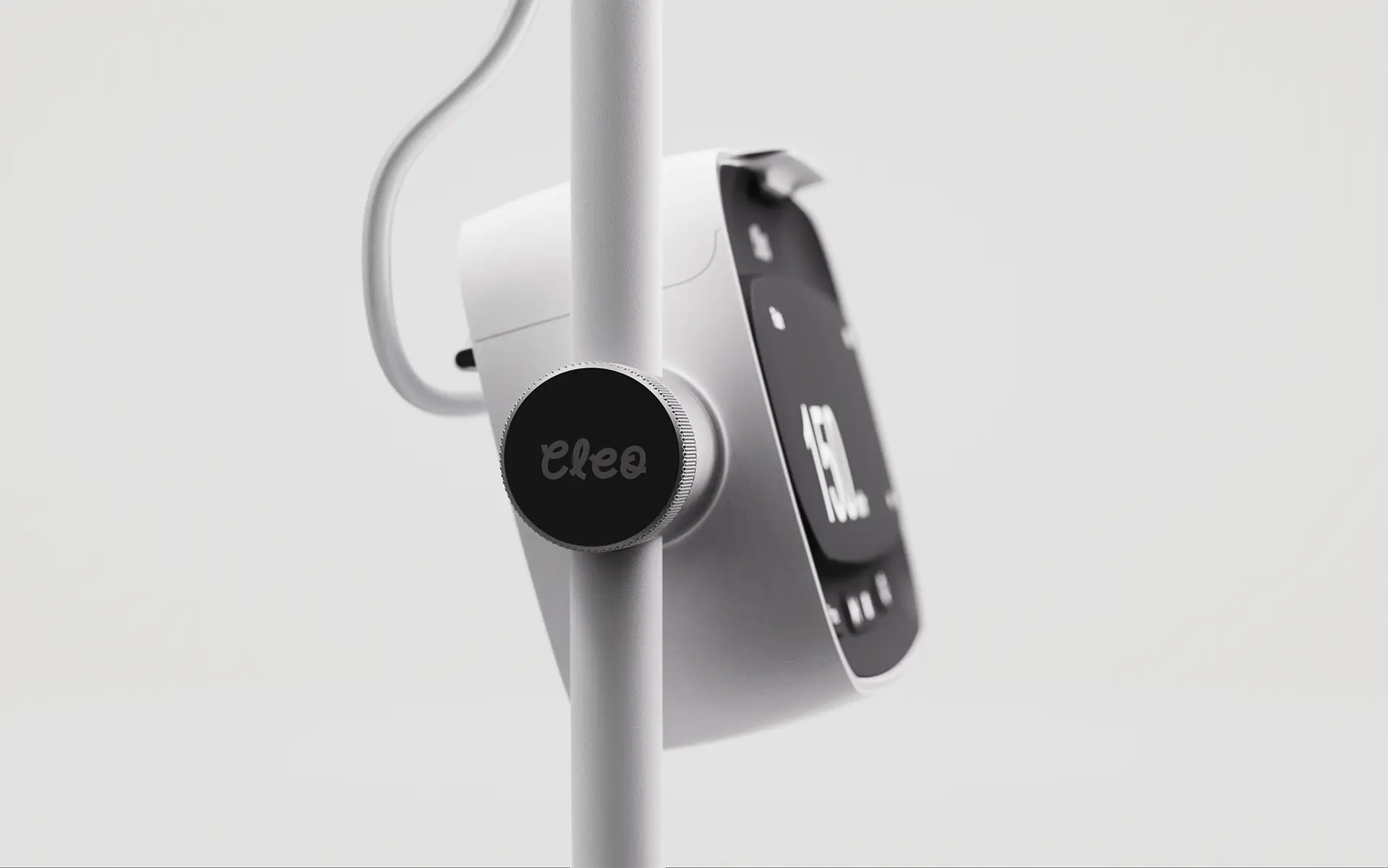
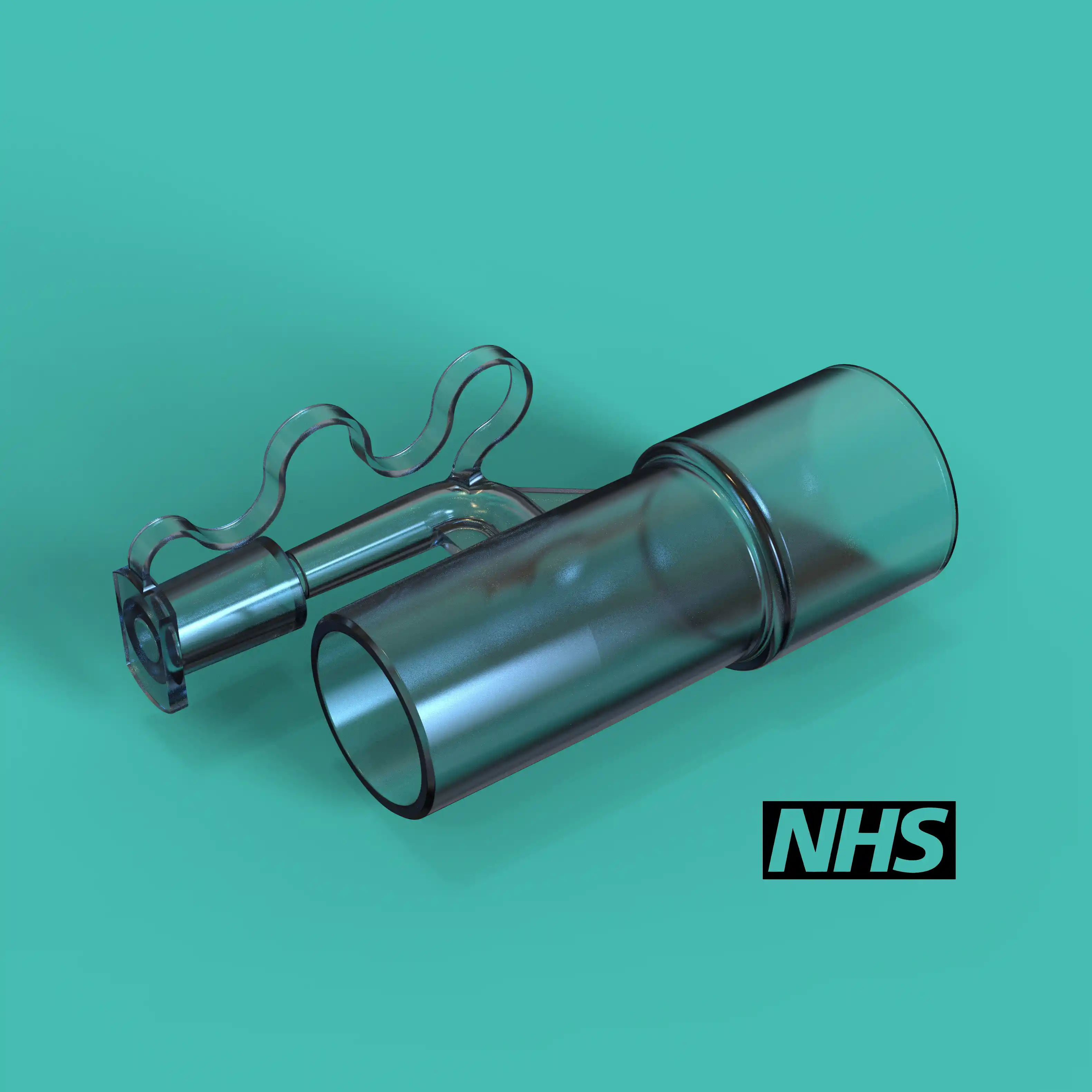
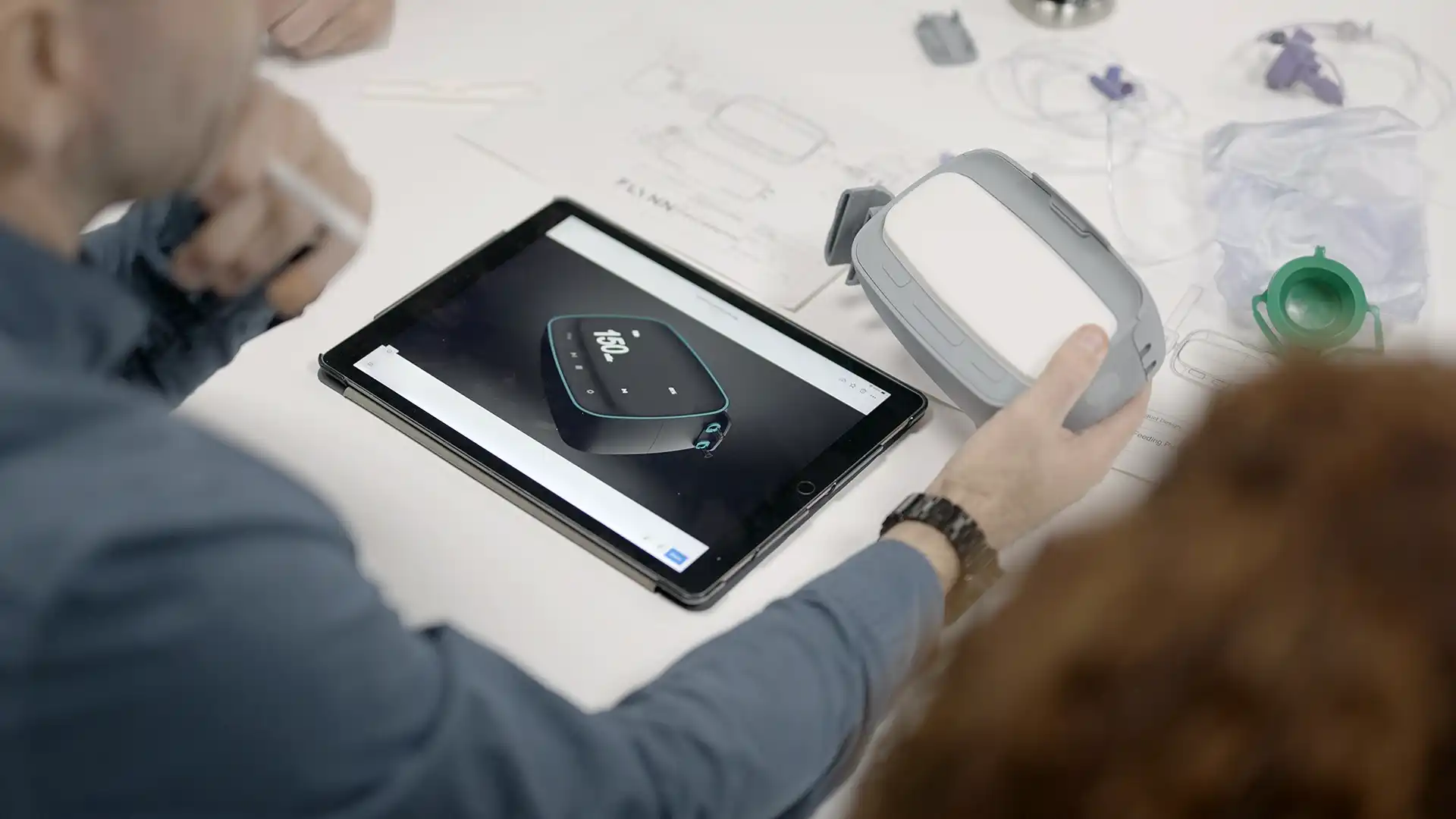
Established medical teams carry a depth of expertise that can’t be replicated. Our role is to complement that foundation with an external viewpoint that brings clarity, momentum and renewed design focus.
Often, teams are moving fast, navigating complex roadmaps or managing multiple priorities at once. We step in to provide dedicated design attention, helping shape the next phase of a product or portfolio without disrupting ongoing work. Through close collaboration, we refine usability, strengthen form and reinforce the emotional and clinical experience of the device, ensuring your existing strengths are carried forward with even greater coherence and confidence.
This is about advancing what already works, uncovering opportunities you may not have the time or bandwidth to pursue, and supporting your team with design expertise that amplifies the value of the innovation you’ve already built.
New MedTech companies often move quickly, but speed can inadvertently push design into the background. Early prototypes can feel improvised or harsh, even when the underlying idea is breakthrough. We help emerging teams establish a strong design foundation from the beginning, something coherent, expressive and credible enough to support investment, trials and commercial introduction.
The right design language at the right moment can give a young company the confidence and clarity it needs to grow with purpose.
Clinicians and independent inventors often see problems that industry has overlooked. Their insights spark ideas with genuine potential but need direction to become tangible products. We help shape these early concepts into devices with clarity, feasibility and presence. This includes refining the form and function, strengthening the user experience and grounding the idea in a visual and tactile identity that communicates seriousness and care.
Together, we turn raw insight into something real, testable and ready for the next step.
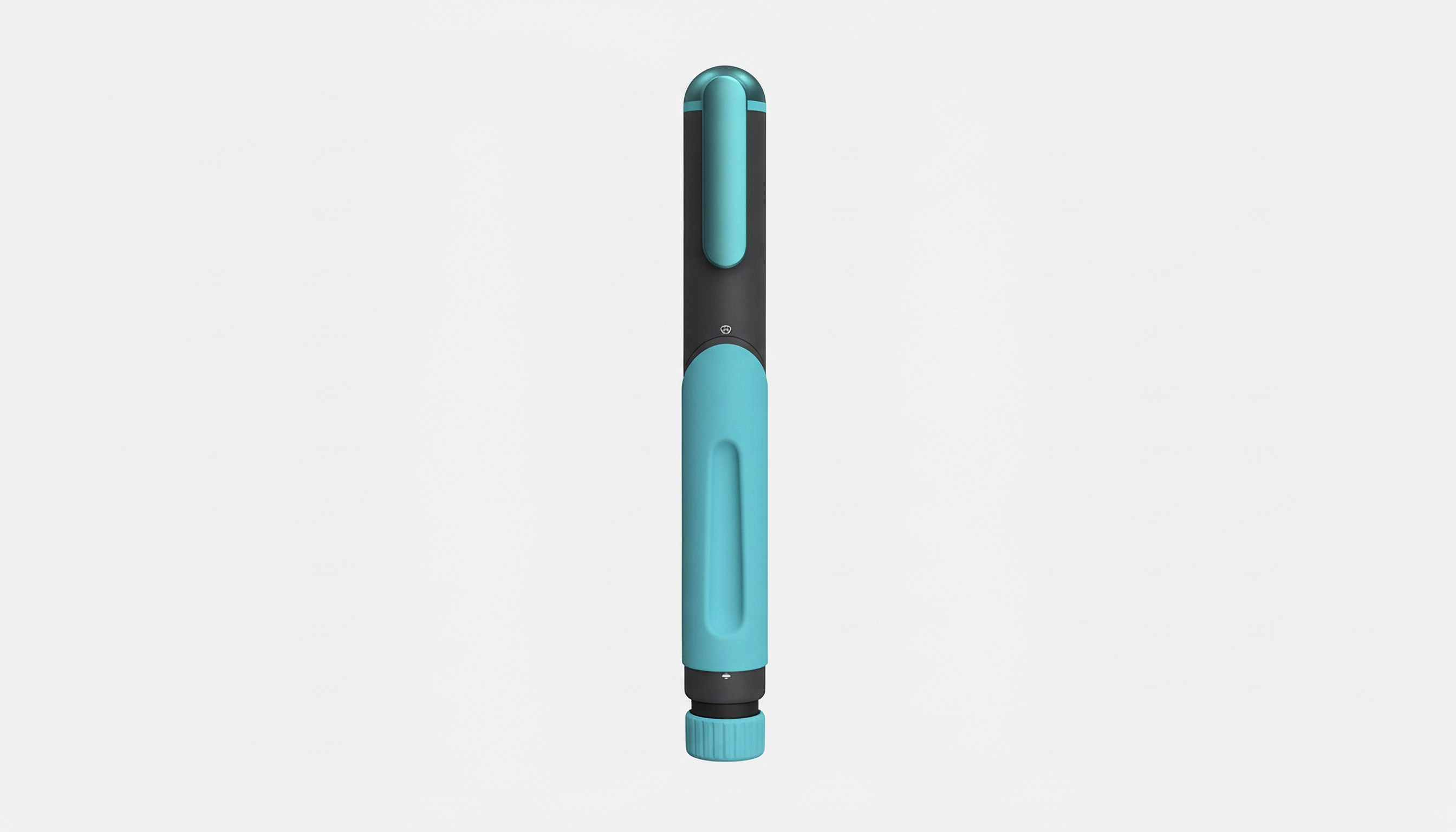

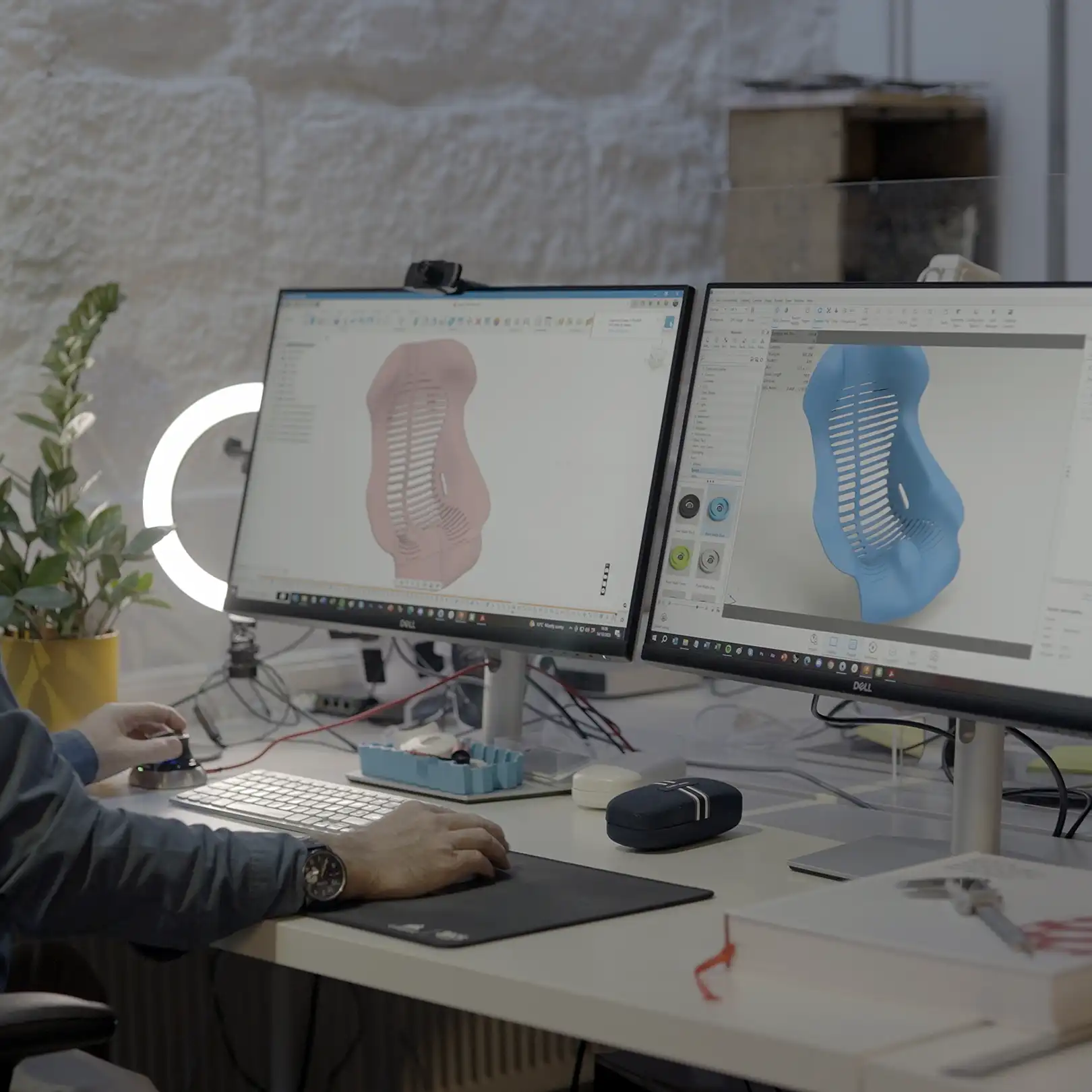
Medical product design is the process of creating medical devices, healthcare products, and patient focused technologies that are safe, reliable, easy to use, and compliant with strict healthcare regulations.
It involves combining industrial design, engineering, usability, ergonomics, and manufacturing expertise to develop products used in clinical, hospital, or home healthcare environments.
Unlike regular consumer products, medical devices often undergo extensive testing, validation, and certification processes to ensure they meet healthcare standards and can be safely used by patients and medical professionals.
The most important factors in medical device design include patient safety, usability, regulatory compliance, reliability, and manufacturability.
Medical devices must also work consistently in real world environment, while being intuitive and safe for both patients and healthcare professionals to use.
Key Factors in medical device design include:
Patient Safety - Minimising risks, and ensuring the device performs reliably under all conditions.
Regulatory Compliance - Meeting industry standards and medical regulations required for approval and market entry.
Ergonomics and Accessibility - Ensuring the product is comfortable, practical, and suitable for all users.
Durability and Reliability - Medical devices must withstand repeated use and maintain consistent performance over time.
Design for Manufacture (DFM) - Ensuring the device can be produced efficiently, consistently, and cost effectively at scale.
A successful medical device balances technical performance, patient experience, clinical requirements, and manufacturing feasibility.
Clinicians identify problems that product designers and engineers simply can't see from the outside. That clinical insight is genuinely valuable, and the right design team will recognize that from day one.
Here's a clear path to follow:
1. Define the clinical problem - Identify exactly what issue exists, who experiences it, and why current solutions fall short. The strongest medical products are built around real clinical challenges observed in practice.
2. Validate the need - Speak with other clinicians or healthcare professionals to confirm the problem is common and worth solving.
3. Outline your concept - You don't need technical drawings or engineering knowledge at this stage. A simple description, rough sketches, or even examples of existing products that almost solve the problem are enough to start a productive conversation.
4. Find the right design partner - You need a team that understands both the clinical world and the commercial one, who can translate your insight into something real, testable, and credible enough to attract investment or clinical trials.
5. Build prototypes and test early - Early prototypes let you test functionality, gather feedback, and refine the concept before significant money is committed.
6. Plan for regulation from the start - Medical products must meet strict compliance requirements. Designing with those requirements in mind from the beginning saves significant time and cost.
You do not need a finished concept to get started. You just need a clear problem and the willingness to solve it, we will help with the rest.
Prototyping is a critical part of medical product development because it allows ideas to be tested, refined, and validated before full-scale manufacturing begins. In healthcare products, where safety, usability, and reliability are essential, early prototyping helps identify problems long before they become costly or difficult to fix.
A prototype makes it possible to evaluate how a product functions in the realworld environments and how patients, or healthcare professionals interact with it.
Prototyping also helps medical product teams to:
In medical device development, even small usability issues can have serious consequences. Prototyping allows teams to continuously improve the design through testing and feedback, resulting in safer, more effective, and more commercially viable products.
Medical product designers prepare products for manufacturing by ensuring the design is not only functional and safe, but also efficient, reliable, and practical to produce at scale. This process is often referred to as Design for Manufacture (DFM) and plays a critical role in reducing production risks, controlling costs, and improving product quality.
This process typically includes:·
A strong medical product design process bridges the gap between concept and scalable production, helping ensure the final product is both manufacturable and ready for real world healthcare environments.
