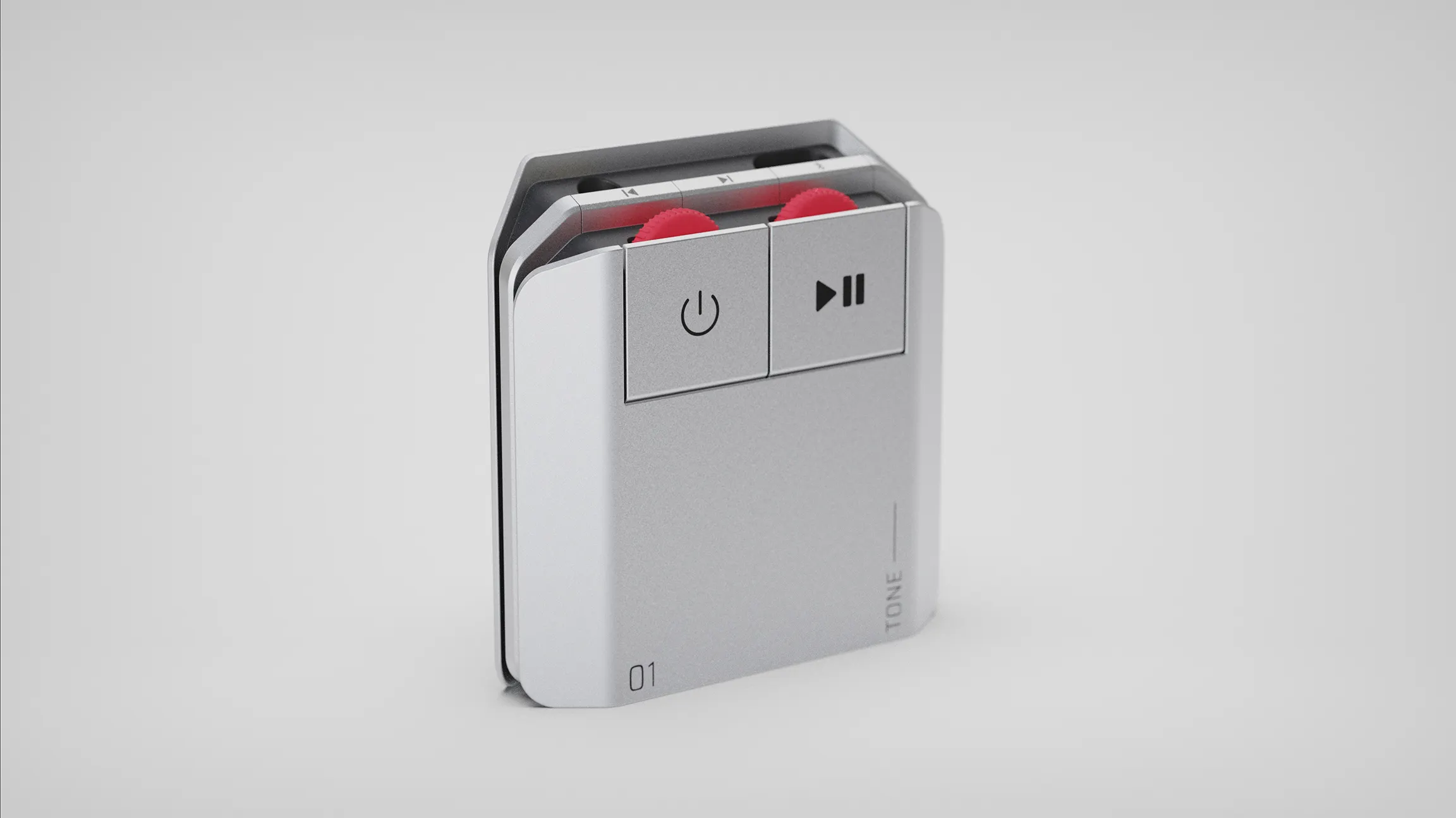
.avif)

How Do You Optimise for ROI In Product Development?
For a first-time founder, building a physical product can feel like juggling ten roles at once.
You are shaping the idea. Refining the design. Managing suppliers. Watching timelines. Protecting cash. And somewhere in the middle of it all, trying to make sure there is still margin left when the product finally lands.
Return on investment in product development is rarely lost in one dramatic mistake. Its when you fail to consider ROI during development that it begins slipping away as a result of multiple different decisions.
Each decision makes sense in isolation. But taken together, they erode margin, inflate risk, and make scaling harder than it needs to be.
Optimising for ROI is about omptimsing your commercial strategy and connecting every design decision to the commercial impact it will have, from user value to manufacturing, from brand promise to cost structure. It is not about cutting corners or cutting costs where it negatively impacts the product.
When those elements stay aligned, pricing becomes defendable, trade-offs become clearer, and growth becomes sustainable.
1. Start Where ROI Actually Begins: Solving a Problem Worth Paying For
Profit begins with relevance, not cost control.
If the problem you are solving is minor or not faced by many, you will spend heavily on marketing to convince people they need your product. Customer acquisition cost rises. Conversion falls. Margin shrinks. The most reliable signal of ROI potential is existing spend. People already paying, in money, time, or effort, to reduce pain.
Your job is to find users who:
- Experience the problem frequently
- Have tried workarounds
- Can clearly describe what “better” looks like
Research in the right order:
- Behaviour first. Ask what happened last time. What did they do? What did they buy? What stopped them switching?
- Observe in context. Real use reveals friction interviews miss.
- Research the market, are there solutions out there, do they solve the problem well, what could be better, is there an opportunity.
Then translate insight into measurable outcomes:
- Time saved
- Steps reduced
- Waste eliminated
- Durability increased
- Failure rate lowered
Measurable value supports price and price is the engine of ROI. If users cannot point to a cost they already carry, your pricing ceiling is likely low.

2. Deliver Maximum Value In A Simple Package
Once the problem is validated, the next risk is feature creep.
Complexity:
- Increases part count
- Raises manufacturing cost
- Slows assembly
- Creates more failure points
- Confuses the user
And complexity rarely commands proportional price uplift. Start with a single, clear sentence:
This product helps a specific user do a specific thing to achieve a specific outcome.
Every design decision should strengthen that sentence, not dilute it.
In physical products, viability is not just about features and function. It is about:
- Safe, credible materials
- Repeatable build processes
- Robust performance at scale
A product that works beautifully in prototype but fails in volume becomes a warranty problem. And warranty is margin lost.
Put investment where users feel value:
- Key touch points
- Interfaces
- Core function
- Visible durability cues
Keep the rest efficient and simple.
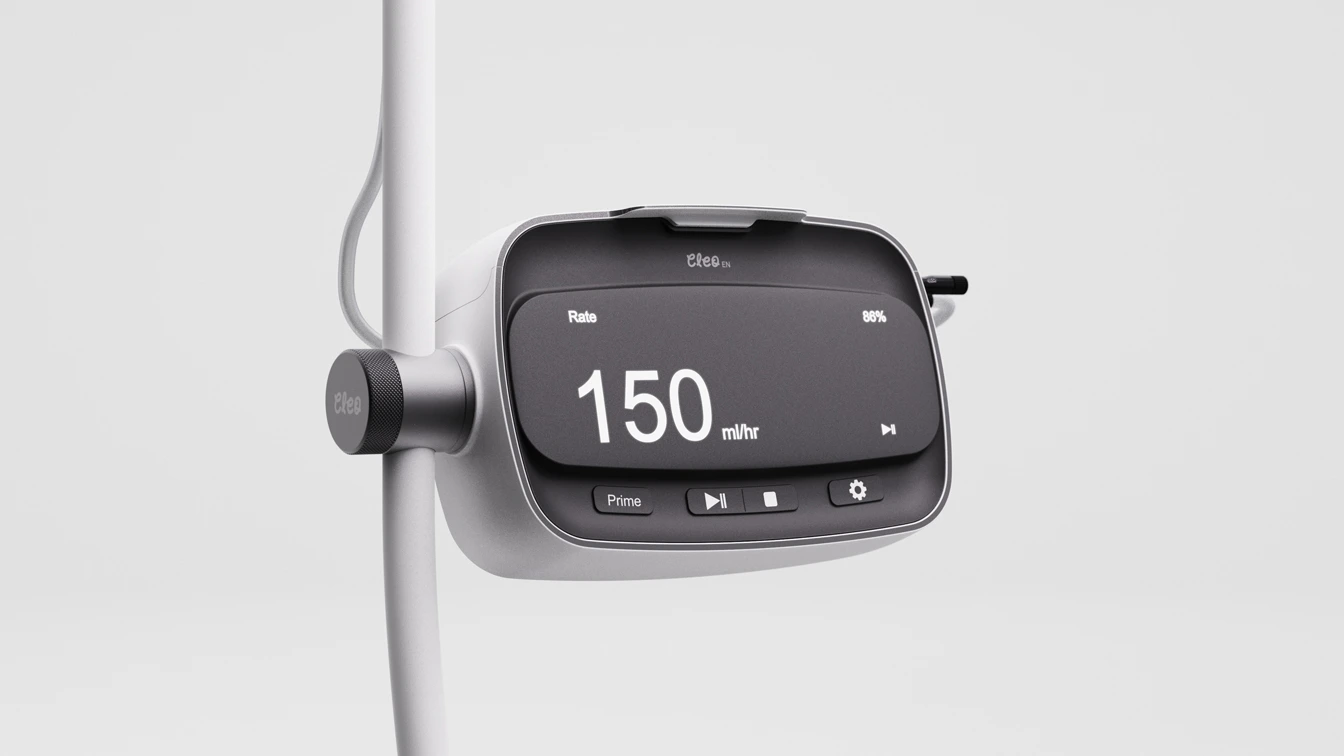
3. Attain Product Brand Fusion TM To Add Value Beyond Functionality.
There is two side to optimising ROI, there is controlling your costs, but also justifying the cost to the customer.
At some point, every founder realises: customers are not only buying a product. They are buying what it says about them.
Your brand is the promise. Your product is the proof.
If your brand stands for longevity, the product should feel solid, age well, be easy to repair.
If it stands for simplicity, the form and interface must feel calm and intuitive.
If you speak about sustainability, material choices and construction must make that credible.
When product and brand are developed separately, they drift apart. Your product loses its identity, there is no emotional value or story so price becomes harder to justify.
When they reinforce each other, marketing becomes easy. Trust rises. Sensitivity to price falls. The product starts to market itself. That fusion protects margin through increasing perceived value.

4. Apply Value Engineering Early, Not As An Afterthought
Value engineering is often misunderstood as cost reduction.
Done early, it is strategic. Done late, its compromises.
As design decisions are made, consider their impact on cost and the value they add. If the decisions cost more that the value it adds, remove it. In physical products, a few factors dominate:
- Material volume and scrap
- Unique part count
- Process count
- Cycle time
- Assembly time
- Yield and rework risk
- Packaging cube and freight
- Duties and returns allowance
Your target cost of goods must leave healthy contribution margin after these realities. If you do not consider that early, you design into a corner.
High-leverage improvements often include:
- Reducing unique parts
- Combining components
- Standardising fixings
- Designing shared sub-assemblies across a range
- Assigning tight tolerances only where function truly requires it
Precision is expensive. Apply it intentionally.
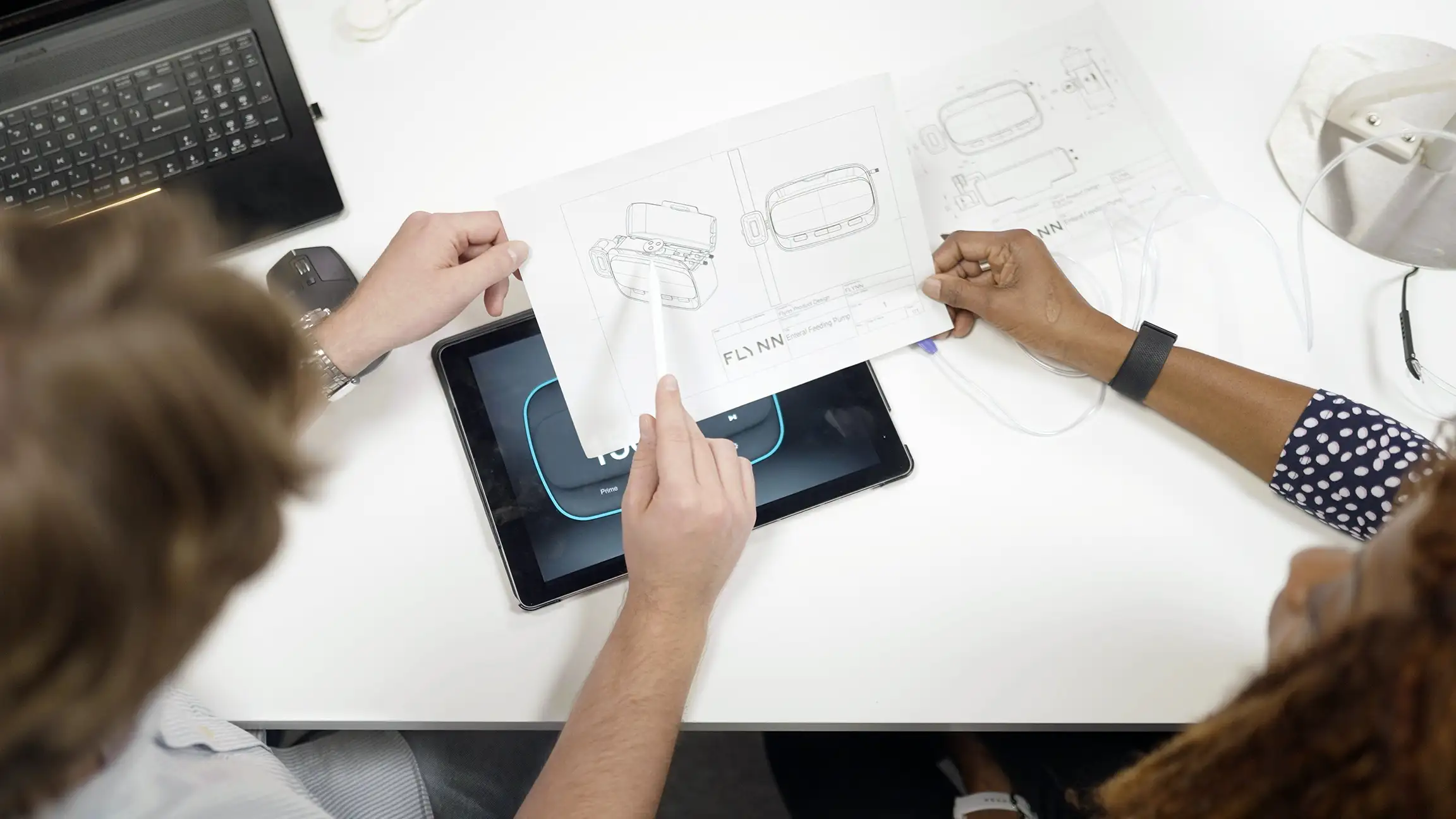
5. Design For Manufacture From Day One
DFM is where theoretical ROI becomes real. A design can look elegant in CAD yet be slow to assemble, difficult to tool, or inconsistent in quality. Those problems surface during ramp, when changes are most expensive.
Consider manufacturing early. Pressure-test:
- Tooling complexity required
- Part complexity and count
- Cycle times
- Tolerances
- Quality control plans
- Risk areas
Design for assembly as carefully as you design aesthetics:
- Fewer steps
- Fewer tools
- Minimal reorientation
- Self-locating geometry
- Error-proofed part interfaces
Every extra minute in assembly becomes cost. At scale, minutes become margin.
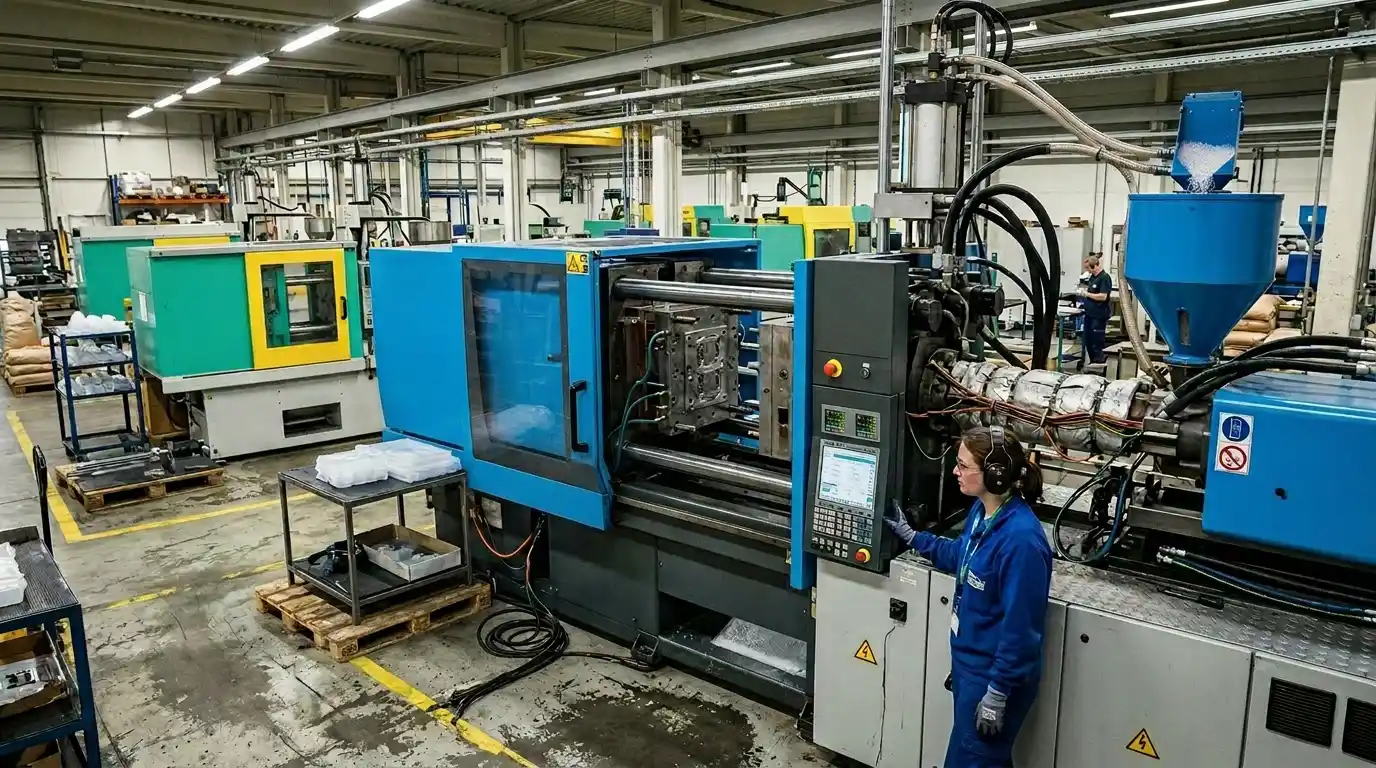
Prototype under production constraints. Run pilot builds. Test packaging in transit. Validate compliance early. Electrical safety, food contact, flammability, battery transport, late redesigns are costly.
ROI is protected by foresight.
A Simple Rule for Every Decision
Before committing to any design change, ask:
Does this increase willingness to pay, increase delivered value, or reduce risk?
If it does none of those, it is eroding ROI.
Remove it.
A Practical ROI Checklist Before You Lock Design
Before cutting steel, confirm:
- You have clear evidence of a real, paying user problem.
- Your core value proposition is sharp and not diluted by unnecessary features.
- Product and brand signals align to support price.
- Your target cost of goods works with your chosen route to market.
- The design builds reliably at scale, with validated assembly and quality plans.
ROI is not a finance metric applied at the end. It must be applied from the start and considered throughout.
A Final Reflection
Optimising for ROI in product development is not about being conservative.
It is about being intentional.
Intentional about the problem you solve.
Intentional about the value you deliver.
Intentional about cost, complexity, and risk.
For over 25 years, FLYNN has helped founders turn early ideas into physical products that succeed commercially as well as creatively. We have seen how small decisions compound, for better or worse. And we know how to connect design, engineering, and business so they move in the same direction.
If you are serious about building a product that earns its place in the market, and sustains a business long term, ROI is not something you measure later.
It is something you design for.
We provide businesses with product design consultancy, industrial design, prototype design & related services.