.avif)
How Do You Validate a New Product Idea? Your Easy-to-Follow Guide
Bringing a new physical product idea to life is exciting. It usually starts from somewhere personal, a frustration you’ve felt, a gap you’ve noticed, or a better way of doing something that just won’t leave you alone.
But before sketches turn into CAD, and CAD turns into tooling, there’s an important pause worth taking.
Validation isn’t only about deciding whether an idea should move forward. It’s a structured way to explore, refine, and improve an idea. Early concepts are rarely perfect, and validation often reveals opportunities that shift the original direction and unlock a more feasible solution. At its core, validation asks a few simple questions: does anyone actually need this? Can it be made realistically? And will it work as a business?
This guide outlines a practical approach to early-stage physical product validation, helping you reduce risk and build confidence before embarking on your product development journey.
First, a reality check on validation
It’s worth being clear from the outset: you can never validate a product idea with 100% certainty until it’s out in the world.
Markets shift. Customer behaviour surprises you. Things that test well don’t always sell and sometimes the opposite is true. Validation isn’t a single gate you pass through. It’s an ongoing process that continues all the way through development, launch, and beyond.
That said, you can reduce risk significantly before serious development begins.
Early-stage validation is about building reasonable confidence. Enough confidence to decide whether an idea is worth investing time, money, and energy into, or whether it needs rethinking before things get expensive.
The steps that follow are designed to help you make that call with clarity, not certainty.
1. Start with the problem, not the product
It’s tempting to begin with the solution. You can already picture how it looks, how it works, maybe even how it feels in the hand.
Strong products, though, are built on well-understood problems. With over 20 years of experience delivering award-winning product design consultancy, we’ve seen one of the most common reasons why startups fail: going to market with a solution that was developed without fully understanding the problem it was meant to solve.
At this stage, focus on:
- What problem are you solving?
- Who experiences it most often?
- How are they dealing with it today?
This doesn’t require months of research. A handful of honest conversations can reveal a lot. Watch how people behave, not just what they say. Often the workarounds people use are more insightful than their opinions.
A common early mistake is assuming personal frustration equals market demand. Your experience is a starting point, not proof.
What you’re looking for at this stage: evidence that this problem is shared by others, happens frequently, and creates genuine frustration. If people recognise the issue immediately and are already trying to work around it, you can be confident it’s a problem worth solving, and that a well-designed solution would attract real interest.
2. Clearly define your target user and use case
If your product is for “everyone”, it’s probably for no one.
Early validation works best when you’re specific. Define:
- Your primary user
- The situation they’re in when they need the product
- The job they’re trying to get done
This doesn’t need to become a heavy persona exercise. Plain language works well. For example: a facilities manager who needs to quickly replace damaged components without specialist tools is far more useful than a vague demographic description.
Clarity here helps every decision that follows, from design trade-offs to pricing expectations.
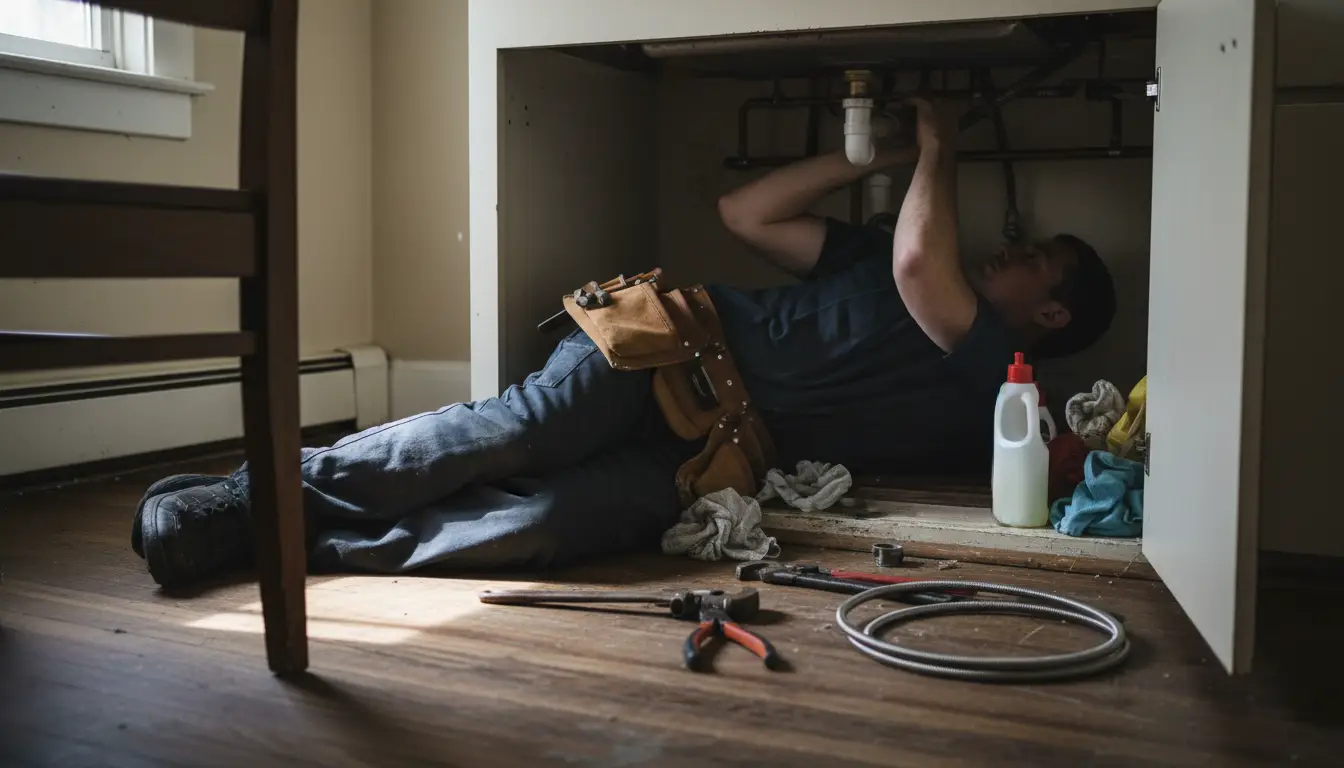
What you’re looking for at this stage: a clearly defined user and situation where your product feels relevant and necessary. If you can describe who it’s for, when it’s used, and why it matters without hesitation, you’re in a strong position to move forward.
3. Pressure-test the idea against the market
Very few ideas exist in a vacuum. Somewhere, someone is already solving the problem, even if it’s badly.
Look at:
- Direct competitors offering similar products
- Indirect alternatives or improvised solutions
Ask yourself:
- Why would someone switch to your product?
- What’s meaningfully different, not just new?
- Is the difference obvious enough to matter?
This isn’t about copying competitors. It’s about understanding what customers already accept, tolerate, or actively dislike. That’s where opportunity lives.
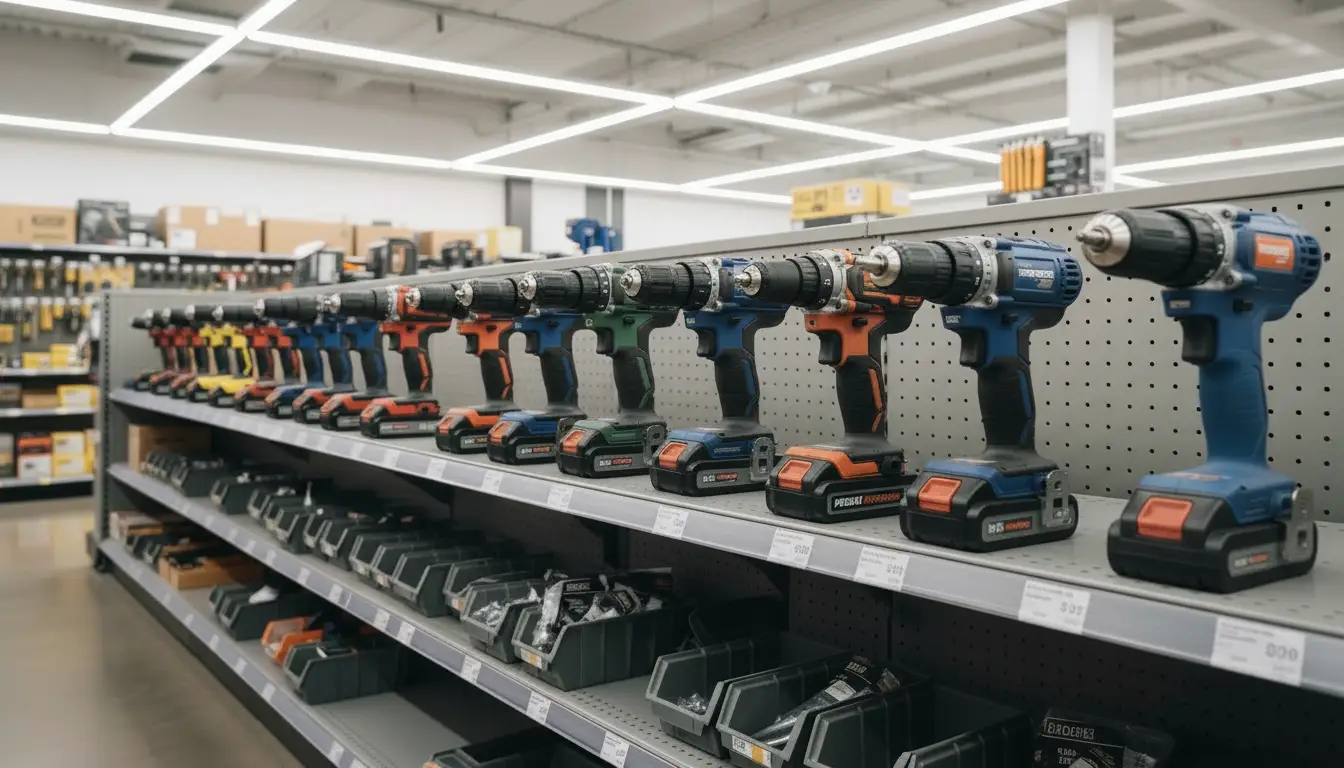
What you’re looking for at this stage: a clear reason why your product would be chosen over existing options. If you can articulate a meaningful, noticeable difference, whether in performance, ease, cost, or experience, the idea is likely worth progressing.
4. Sense-check technical and manufacturing feasibility early
Physical products come with real-world constraints. Materials behave in certain ways. Tolerances matter. Regulations exist whether we like them or not.
Early feasibility checks might include:
- Likely materials and manufacturing processes
- Level of technical risk
- Complexity of assembly
- Early thoughts on compliance or safety requirements
- Rough production volumes
You don’t need perfect answers yet. What you’re looking for are red flags, things that could make the product unviable, overly complex, or too expensive to produce at scale.
This is one of those stages where you can’t have complete certainty until the design is fully resolved and you know exactly how it will be manufactured and what components it will require. It’s an ongoing process.
That said, even early on you can build a good understanding of how feasible an idea really is, whether it relies on complex technology, how much of it already exists, and where the main risks might lie. By working with a team that understands design for manufacture and the realities of production, the product can then be shaped from the outset in a way that’s realistic to make at scale.
What you’re looking for at this stage: confidence that the product can be made without extreme complexity, risk, or cost. If no major technical or manufacturing barriers emerge, it’s reasonable to continue exploring the idea.
5. Check commercial viability, simply and honestly
A product can be desirable and buildable but still fail commercially.
Start with some straightforward questions:
- What might it cost to make one unit?
- What would customers realistically pay?
- How big is the target market?
- Does that leave enough margin to run a business?
Be careful not to price based on what you would pay. Pricing is influenced by context, alternatives, and perceived value, not just bill of materials.
Also consider how the product reaches customers. Selling direct, through distributors, or via retail all place different demands on margin and scale.
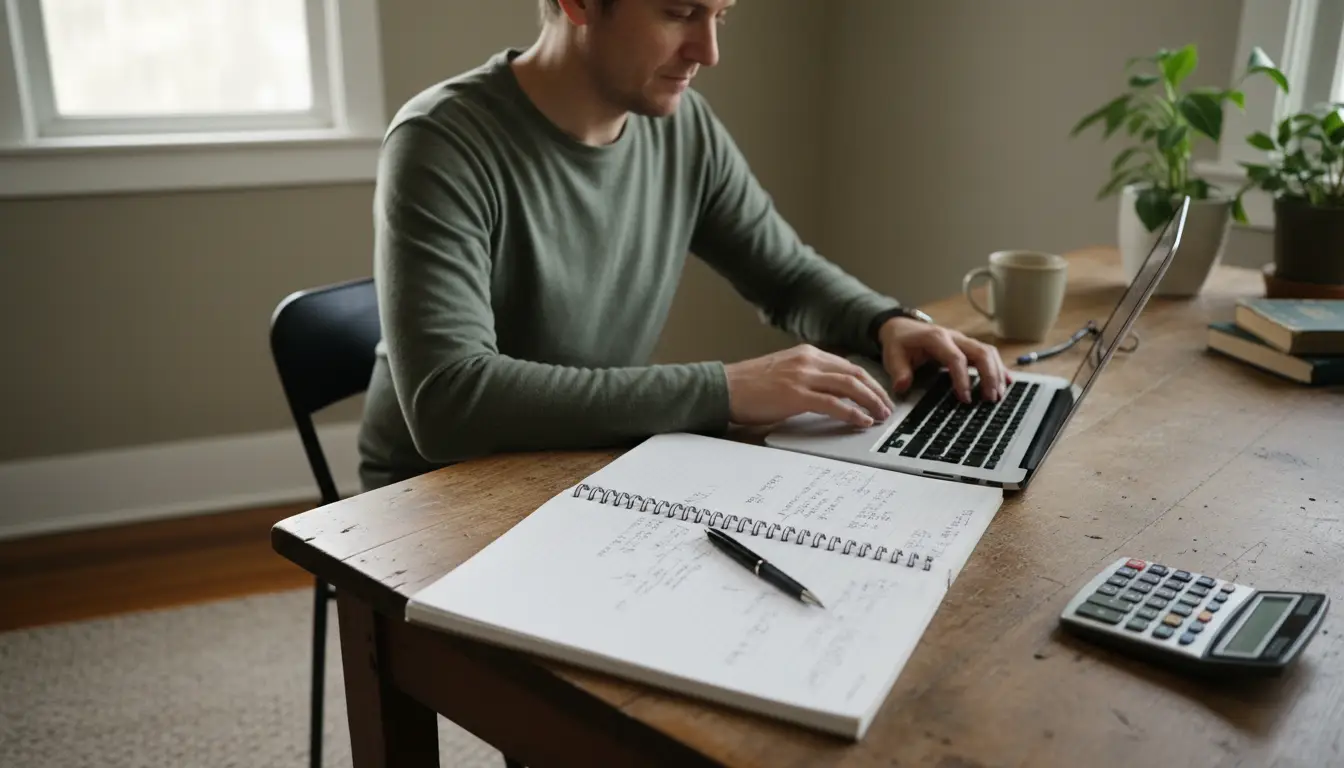
What you’re looking for at this stage: a basic commercial model that makes sense. If estimated costs, pricing expectations, and margins broadly align, even at a high level, the product has the foundations of a viable business.
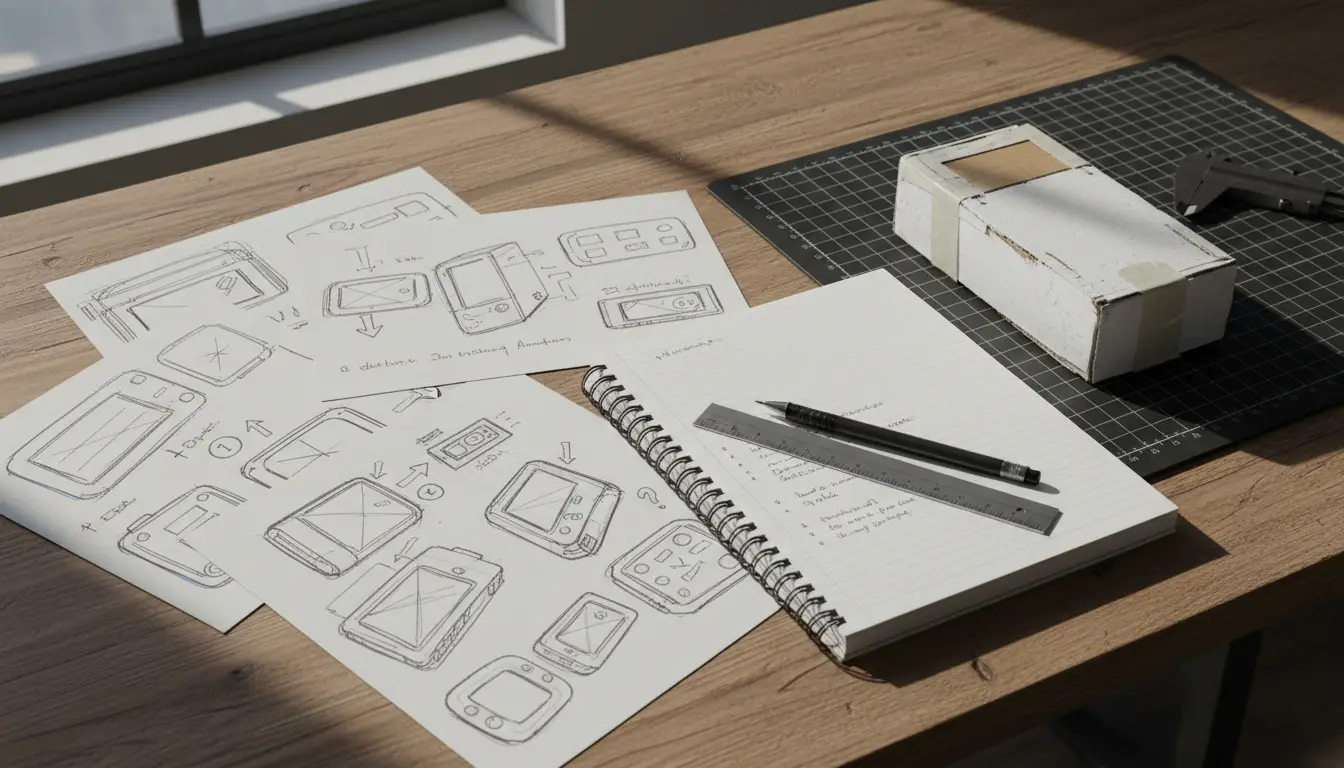
6. Use low-risk prototypes to learn quickly
At this stage, a prototype isn’t about perfection. It’s about learning.
That could mean:
- A simple looks-like model to test form and size
- A basic works-like prototype to test function
- Early samples or mock-ups to gather feedback
Put these in front of real users wherever possible. Watch how they interact. Where do they hesitate? What do they misunderstand? What do they try to do that you didn’t expect?
The goal is to validate any assumptions and uncover real user insights that can inform the ongoing design
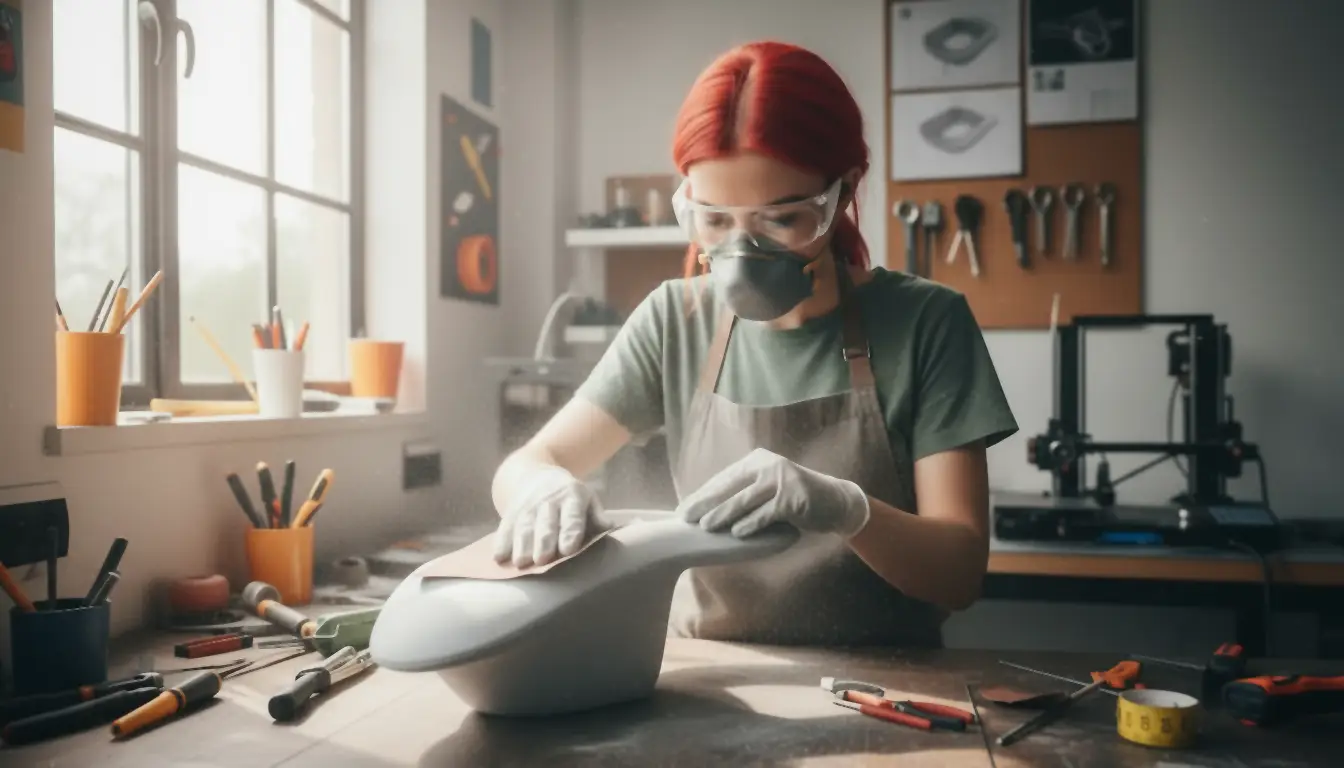
What you’re looking for at this stage: honest reactions and behavioural signals. If users quickly understand the product, see its value, and engage with it as intended (or reveal useful improvements), prototyping is doing its job.
Know when you’ve validated enough to move forward
Validation isn’t about certainty. There’s always some risk.
You’re usually in a good place to progress when:
- The problem feels real and recurring
- Users respond positively without heavy explanation
- There’s a plausible route to manufacture
- The commercial logic broadly stacks up
Equally, validation might reveal the need to pivot and that’s a success in itself. Learning early is far cheaper than correcting late.
What you’re looking for at this stage: enough aligned evidence to justify the next investment of time and money. If desirability, feasibility, and commercial logic all hold up reasonably well, you’re ready to move forward with confidence.
Common pitfalls to avoid
A few patterns show up time and again at this stage:
- Falling in love with the solution instead of the problem
- Asking leading questions that invite positive feedback
- Over-investing in polish too early
- Leaving cost and feasibility until “later”
Awareness of these traps goes a long way.
Validation builds confidence, not caution
Validating a new product idea about moving forward with confidence.
By taking the time to understand the problem, the user, the market, and the realities of making and selling a physical product, you give your idea the space to evolve into something robust and genuinely valuable.
Good validation doesn’t dampen ambition. It focuses it.
If you’ve had one of those lightbulb moments and you’re wondering whether it could become a viable product, not just a good idea, we’d be happy to talk. With over 20 years of experience helping teams bring commercially successful physical products to market, we can help you sense-check the opportunity and explore what’s possible.
We provide businesses with product design consultancy, industrial design, prototype design & related services.