.avif)
A Beginner’s Guide to Developing Your First Product in 2026
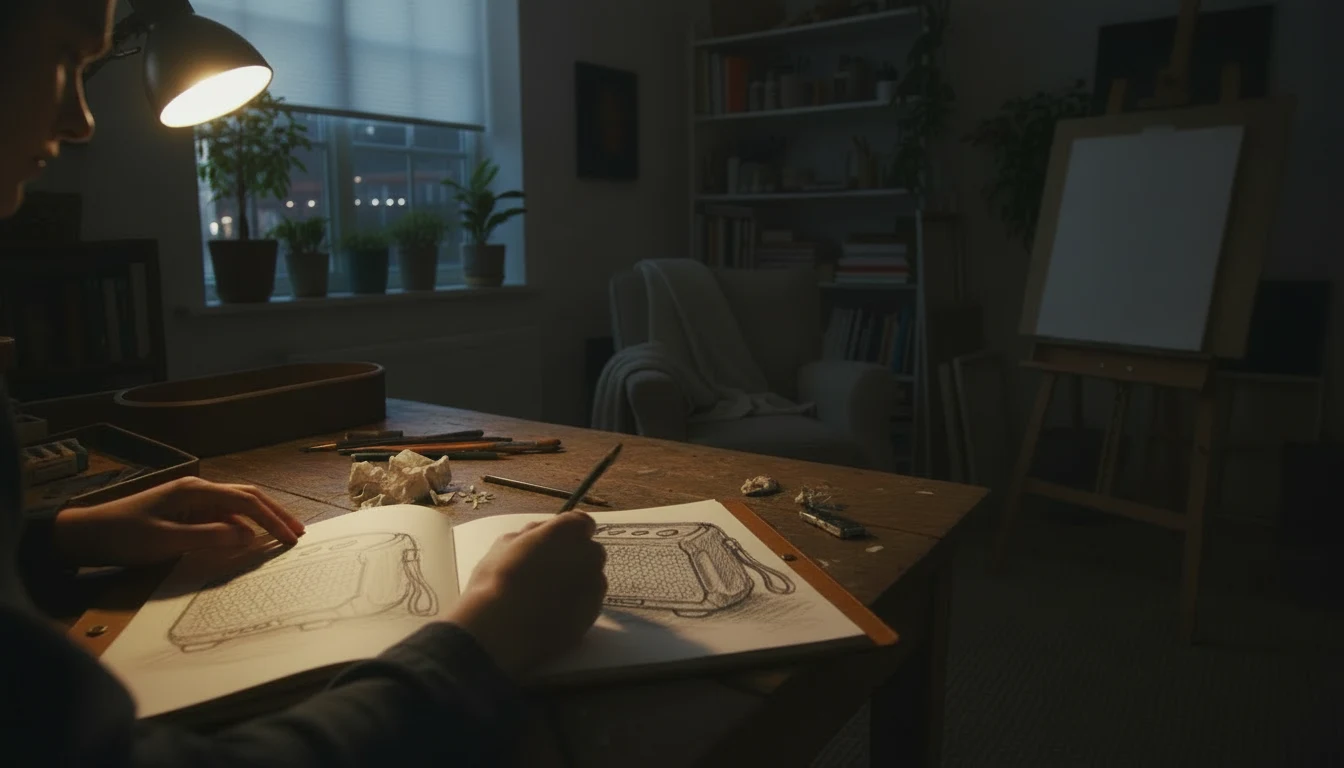
If you’ve ever found yourself thinking about an idea on a Sunday evening, just before the working week starts again, this is probably for you.
It’s the idea that resurfaces when work is quiet. The one you jot down in a notes app and never quite act on. The one that feels distinctly yours, even though it’s been sitting on the sidelines for a long time.
For most people, the reason it stays there isn’t a lack of ambition. It’s practicality.
Bills to pay. Jobs you can’t simply walk away from. A sense that starting something of your own would require a dramatic leap, one you’re not ready, or able, to take.
But starting doesn’t have to look like that.
There’s something about the beginning of a new year that creates a natural line in the sand. A moment where it feels acceptable to say: this is the year I stop just thinking about it. 2026 doesn’t need to be the year everything changes overnight. But it can be the year you decide this idea finally gets a proper chance, the year it moves from a vague intention into activley embarking on the product development journey.
If you’re holding down a regular job and carrying an idea you can’t quite let go of, building your first product doesn’t mean betting everything. It means taking a considered first step. This guide is for people who’ve been waiting for the right moment and are starting to realise that the right moment often looks a lot like this one.
What “Beginner” Really Means
Being a beginner doesn’t mean starting from behind. It means starting without baggage.
You don’t have legacy systems to work around. No old decisions you’re forced to defend. No shortcuts taken years ago that now quietly limit what’s possible.
You’re working with a blank slate and that’s rare.
First-time builders have the opportunity to do something experienced teams often struggle with, slow down at the start and make good decisions early.
That means:
- Defining the problem properly before committing to solutions
- Being clear about who the product is for, and whether real demand exists
- Staying open and objective, with all options still on the table
- Building with the long term in mind from day one
Your first product isn’t about cutting corners or rushing to market. It’s a chance to build something thoughtfully, without having to undo yesterday’s compromises.
Starting as a beginner gives you the freedom to begin the right way.
Start With the Problem, Not the Product
Most first products don’t fail because the execution is poor. They fail because too much confidence is placed in a solution before the problem is properly understood.
Before sketches, features, or manufacturing decisions, there’s a simpler place to start:
- Who is this really for?
- What problem are they actually dealing with?
- Why is it worth solving at all?
If you can’t explain the problem clearly, in everyday language, it’s probably not ready to be built yet.
Products that skip this step often struggle to gain traction, not because they’re badly designed, but because they’re solving the wrong thing, or nothing meaningful at all. There’s no pull from real users.
Getting clear on the problem early saves time, money, and a lot of avoidable frustration later on.

Investing In Design
Product design is often misunderstood as just how a product looks.
In reality, its real value lies in the decisions that determine whether a product has any chance of succeeding at all.
Good product design is about choosing the right thing to build, for the right people, in the right way. It’s the thinking beneath every feature, the trade-offs you’re willing to make, the constraints you accept, and the assumptions you choose to test rather than ignore.
For first-time product builders, this is where design matters most. Without it, progress is driven by instinct and guesswork. With it, decisions become informed, and far more likely to lead to commercial traction.
Through research, simple prototypes, rough journeys, and honest conversations, design helps you:
- Stay focused on a real, validated problem
- Separate what’s essential from what’s merely interesting
- Make decisions that support viability, not just vision
You don’t invest in design to make things look finished.
You invest in it because good design is what turns an idea into a product people genuinely want and are willing to pay for.
Don’t Build More Than You Need
With a first product, there’s a strong temptation to add more. More features. More functions. More capability, just in case.
In reality, simplicity is one of the most powerful decisions you can make early on. Fewer features mean fewer parts, fewer dependencies, and fewer things that can go wrong. Products become easier to build, easier to test, and easier to manufacture.
More importantly, simplicity forces clarity. A clear purpose. A clear target market. A clear reason for the product to exist.
At this stage, your first product needs:
• One well-defined problem to solve
• A clear group of users to solve it for
• A focused set of functions that support that purpose
Reducing complexity early improves reliability, lowers production costs, and dramatically reduces technical risk. You can always add more later. It’s far harder to remove complexity once it’s been designed in.

Sustainability Is Easier When You’re Early
One of the real advantages of building your first product is the freedom to make good choices from the outset.
With no legacy systems to work around and no sunk costs to protect, you have the opportunity to think carefully about materials, supply chains, energy use, and how long the product is designed to last, before those decisions become locked in.
At this stage, sustainability isn’t something to bolt on later. It’s something you design into the product from the start.
When it’s considered early, it feels genuine, because it is, rather than an afterthought customers can see straight through.
Small, well-considered decisions made now tend to compound over time, shaping both the impact and the credibility of the product you eventually bring to market.
Progress Will Look Quieter Than You Expect
Early progress is easy to underestimate.
It rarely arrives as big milestones or visible wins. More often, it shows up as clearer conversations, sharper priorities, and decisions that take less effort than they did before.
This can feel unproductive if you’re expecting momentum to look dramatic. But this is the work that removes friction later on.
When you take the time to think properly at the start, you spend far less time correcting course down the line. Decisions become quicker. Trade-offs become clearer. Confidence grows, because it’s grounded in understanding, not hope.
When to Ask for Help
One of the most common mistakes first-time product builders make is waiting too long to bring others in.
Once decisions are made, designs are locked, and assumptions are baked into the product, changing direction becomes expensive, in both time and money. The earlier you sense-check your thinking, the more freedom you have to adjust course.
Working with experienced partners early, particularly around product design, isn’t about handing over control. It’s about pressure-testing ideas before they harden. Challenging assumptions. Exploring options objectively.
Investing in the right support at the start often saves far more than it costs, by preventing wasted effort, unnecessary complexity, and months spent heading in the wrong direction.
Building your first product doesn’t mean doing everything alone. It means knowing when a second perspective will help you make better decisions.
An Invitation to Begin Right
You don’t need to have everything figured out to begin, only the intention to start well. The products that matter in 2026 will be built with care, clarity, and respect for users and resources.
At FLYNN, we’ve spent over 20 years helping first-time founders and ambitious teams turn early ideas into products that work, commercially, technically, and in the real world.
If this is the year you want to give your idea a proper chance, we’d love to talk.
No pitches. No pressure. Just an honest conversation about where you are, what you’re building, and how to start on the right path.
We provide businesses with product design consultancy, industrial design, prototype design & related services.